

Luxury · Land · Lifestyle
Quick Answer
Selling a horse farm in North Georgia isn’t the same as selling a traditional home. The highest-selling equestrian properties are strategically prepared, accurately priced, professionally marketed, and presented to buyers who understand—and are willing to pay for—the horse lifestyle.
Horse farms don’t sell like houses. They sell a lifestyle.
Whether your property is tucked into the mountains near Blue Ridge, surrounded by rolling pasture outside Rome, or nestled in the countryside of North Georgia, buyers aren’t simply shopping for acreage.
They’re searching for a place where they can picture their horses, their family, and their future.
I’ve seen beautiful farms sit on the market because they were marketed like any other rural listing. I’ve also seen properties generate incredible interest because the seller understood what horse buyers actually care about.
The difference usually starts long before the listing goes live.
Why This Matters in North Georgia
North Georgia continues attracting buyers relocating from across the Southeast and beyond.
Many are looking for:
- More land
- Better riding opportunities
- Room for livestock
- Privacy
- Lower taxes
- A slower pace of life
That creates tremendous opportunity for sellers—but only if the property is positioned correctly.
Unlike neighborhood homes, no two horse farms are alike. Every property has its own combination of:
Those differences make pricing and marketing far more specialized.
If you’re preparing to sell, it’s also worth reviewing local land-use regulations and agricultural considerations. The Georgia Department of Agriculture and the University of Georgia Cooperative Extension offer excellent information on agricultural land stewardship, pasture management, and rural property resources.
Horse Buyers Think Differently
Most traditional buyers focus on:
- Bedrooms
- Bathrooms
- Kitchen finishes
Horse buyers certainly notice those things… but they also spend considerable time evaluating:
- Barn construction
- Stall layout
- Pasture quality
- Drainage
- Fence condition
- Trailer access
- Water availability
- Arena footing
- Equipment storage
- Future expansion possibilities
A horse property is much more than square footage. It’s a working lifestyle.
First Impressions Start at the Gate
Many sellers assume buyers notice the house first. Most equestrian buyers don’t.
Before they even park, they’re already evaluating:
- Entrance appeal
- Driveway access
- Trailer turnaround
- Fence lines
- Pasture health
- Overall maintenance
Within the first minute, buyers are already forming opinions.
That’s why curb appeal matters just as much on 20 acres as it does on a subdivision lot.
Pricing a Horse Farm Requires Strategy
One of the biggest mistakes I see is relying on price per square foot. Horse farms simply don’t work that way.
Two properties with similar acreage can vary dramatically in value depending on:
- Barn quality
- Arena improvements
- Water features
- Fencing
- Usable pasture
- Terrain
- Location
- Accessibility
Limited comparable sales also make pricing more challenging.
A thoughtful pricing strategy
creates momentum.
An emotional price
often creates market resistance.
The National Association of REALTORS® regularly reports that strategic pricing and professional marketing remain two of the biggest factors influencing successful home sales—even more so for unique lifestyle properties.
Prepare Before You List
The best money you spend before listing is often on presentation—not renovations.
Focus on the Exterior
- ✓ Pressure wash buildings
- ✓ Fresh gravel where needed
- ✓ Repair fencing
- ✓ Trim trees
- ✓ Mow pastures
- ✓ Clean gates
- ✓ Remove weeds
Freshen Up the Barn
- ✓ Sweep aisles
- ✓ Clean stalls
- ✓ Organize tack
- ✓ Replace burned-out lights
- ✓ Remove cobwebs
- ✓ Repair broken latches
- ✓ Eliminate clutter
A clean barn instantly communicates pride of ownership.
Don’t Forget the House
Horse buyers still expect a home that feels welcoming. Simple improvements can make a huge difference:
- Fresh paint
- Deep cleaning
- Better lighting
- Landscaping
- Decluttering
The house should complement the lifestyle—not compete with it.
Think Like a Professional Photographer
Professional photography begins long before picture day. Before your photographer arrives:
- Move trailers
- Hide feed bags
- Roll up hoses
- Park equipment neatly
- Sweep concrete
- Open barn doors
- Remove unnecessary vehicles
Every photo should tell a story.
What Actually Adds Value?
Not every project increases your selling price. The improvements that typically matter most include:
- Functional fencing
- Healthy pastures
- Well-maintained barns
- Drainage
- Water availability
- Easy trailer access
- Clean organization
- Practical layout
Meanwhile… some expensive cosmetic projects never deliver the return sellers expect.
Every farm is different. That’s why strategy matters.
The USDA Natural Resources Conservation Service provides excellent guidance on soil health, drainage, pasture management, and conservation practices that can help maintain productive agricultural land.
Before You Sign Anything
Preparing a horse farm for sale can feel overwhelming. Many owners immediately begin spending money because they assume every project adds value.
Unfortunately, that’s rarely the case.
I’ve seen sellers spend thousands on improvements buyers barely noticed. I’ve also seen inexpensive repairs completely transform buyer perception.
Before investing in fencing, landscaping, paint, or renovations, it’s worth knowing which projects are likely to produce a return—and which ones simply cost money.
A strategic walkthrough before listing can often save thousands of dollars and weeks on the market.
Common Mistakes Sellers Make
- Pricing emotionally
- Skipping professional photography
- Leaving equipment scattered around
- Ignoring deferred maintenance
- Marketing only the house
- Forgetting to showcase the lifestyle
- Waiting until inspections to discover problems
- Not gathering surveys, permits, well, septic, or improvement records before listing
Small details often create the biggest impressions.
Why Buyers Love North Georgia
North Georgia offers something that’s becoming increasingly difficult to find:
- Beautiful mountain views
- Rolling pasture
- Four-season beauty
- Established equestrian communities
- Room to grow
- Privacy without isolation
Many buyers aren’t just changing addresses. They’re changing lifestyles.
You’re not selling acreage.
You’re selling possibility.
What’s Your Next Move?
Every horse property tells a different story. The key is knowing how to tell yours in a way that attracts the right buyers—and maximizes your value before your listing ever goes live.
That preparation starts before the first showing, before the first photograph, and long before the listing hits the MLS.
Frequently Asked Questions
How long does it take to sell a horse farm in North Georgia?
Every property is unique. Pricing, presentation, location, and marketing strategy all play a major role in how quickly the right buyer is found.
Should I renovate before listing?
Sometimes—but not always. Certain improvements add value, while others rarely pay for themselves. A property-specific strategy can help you avoid wasting money.
Do horse buyers care more about the barn than the house?
Most buyers care about both. The house gets them interested, but the barn, pastures, fencing, layout, and overall functionality often influence their final decision just as much.
Ready to Maximize Your Horse Property’s Value?
Before you spend another dollar preparing your farm for the market…
Make sure you’re investing where it actually counts.
✓ Improvements buyers actually notice
✓ Projects you can probably skip
✓ Ways to improve first impressions
✓ Simple changes that can increase perceived value
✓ The same preparation strategies I use with my own sellers
A little planning before you list can make a big difference when it’s time to negotiate.
Starla Trainor
Broker Associate • Bridle & Bay | Real Broker LLC
Licensed in Georgia • Florida • Alabama
Equal Housing Opportunity
This content is provided for informational purposes only and should not be considered legal, tax, or financial advice. Every property is unique. Always consult the appropriate professionals regarding your specific situation.
© 2026 Starla Trainor. All Rights Reserved.
FROM OUR BLOG


Alabama Property Protection Act 2026: What Landowners Need to Know About Seller Impersonation Fraud
What if someone tried to sell your land, and you had no idea? It sounds far-fetched. It isn’t. The FBI has documented property owners discovering their vacant land was being sold—or had already been sold—after seeing a For Sale sign, finding construction equipment on the property, or even trying to
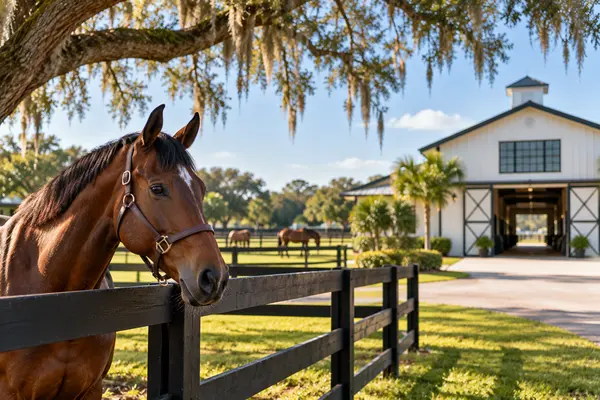
Moving to Ocala With Horses? What to Know Before Choosing Where to Live
If you’re thinking about moving to Ocala with horses, it’s easy to start your search with one question: How close can I live to the World Equestrian Center? That’s worth considering. But I don’t think it should be the first question that determines where you buy. Ocala and Marion County offer everyt
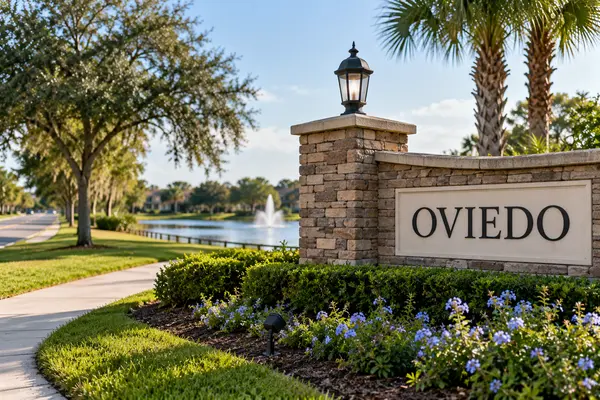
Why Are So Many Florida Buyers Looking at Oviedo?
There are plenty of Florida communities getting attention from relocating buyers, but one Central Florida ZIP code recently stood out enough to rank first in the state. Oviedo’s 32766 ZIP code ranked #1 in Florida in Realtor.com’s 2026 analysis of the hottest ZIP codes in each state. Listings there