


You can buy the land, hold the deed, pay the taxes—and still not own certain rights to what’s underneath it.
That’s mineral rights in the simplest possible terms.
I specialize in farms, acreage and equestrian properties across Florida, Georgia and Alabama, and mineral rights are one of those details I never want a buyer discovering after the property is already theirs.
I’ve had buyers walk away because of what we uncovered. I’ve had others investigate the very same issue, understand it and move forward completely comfortable.
What Are Mineral Rights?
Think of a piece of land in two layers.
Above the Ground
Your surface rights generally involve what you can see and use: the home, pasture, barn, fencing, woods, driveway and other improvements.
Below the Ground
Mineral rights generally involve ownership interests in certain resources beneath the surface, such as oil, natural gas, coal, metals, phosphate or other materials depending on the property and applicable law.
Here’s where buyers get caught off guard: those two layers do not always have the same owner.
A previous owner may have sold the land but kept certain mineral interests. Those interests may have been transferred again separately, and the property itself may have changed hands several times since.
Do Mineral Rights Automatically Come With Land?
No. Not every land purchase includes all mineral rights.
What conveys depends on the property’s ownership history, deed language and other recorded documents. You may discover that:
- All mineral interests owned by the seller convey.
- Only certain mineral interests convey.
- The seller intends to reserve some or all mineral rights.
- A previous owner already reserved or severed them.
- A mineral lease or other agreement exists.
- Ownership needs additional research before anyone can give you a reliable answer.
A listing that says nothing about mineral rights is not the same thing as confirmation that everything conveys.
What Does “Severed Mineral Rights” Mean?
Severed mineral rights simply means that ownership of certain mineral interests has been separated from ownership of the surface.
Imagine buying a 40-acre farm. You own the home, barn, pasture, woods and surface of those 40 acres, but decades earlier another owner reserved certain mineral rights.
You could own the surface while another person, company, trust, estate or group of heirs owns some or all of those mineral interests.
Is It Better to Own the Mineral Rights?
Possible Advantages
- More complete ownership
- Fewer questions involving another mineral-interest owner
- Potential future value
- Possible lease or royalty opportunities
- Added appeal to certain future buyers
Possible Concerns When They Don’t Convey
- Ownership may require additional research
- Existing leases or agreements may need review
- Access or surface-use rights could matter
- Planned improvements may deserve closer scrutiny
- Financing, title or resale questions could arise
There is also an important reality here: owning mineral rights does not mean you are sitting on a fortune. Owning the rights and having commercially valuable minerals beneath the property are two very different things.
Can Someone Else Use Your Land?
Potentially, depending on the rights involved—but mineral ownership does not automatically give another party unlimited permission to do whatever they want on the surface.
Access and surface-use rights can depend on the deed language, type of mineral interest, leases, recorded agreements and applicable state law.
This is where I want facts—not guesses. As the buyer’s agent, I can flag the issue, help gather available property information and make sure we are asking the right questions. When those questions require a legal interpretation of ownership or access rights, I want the appropriate title professional or real-estate attorney involved.
Why This Matters Even More With Farms & Horse Properties
This is where land representation becomes very different from simply showing someone a house with a large yard.
When I’m evaluating acreage with a buyer, I need to understand what they plan to do with it.
- Where will the barn go?
- Is an arena planned?
- How will pastures and fencing be laid out?
- What trailer or equipment access is needed?
- Are additional structures planned?
- How much will be invested in improvements?
- Could another recorded right interfere with those plans?
The same thinking applies to farms, homesteads, hunting property, recreational acreage and land intended for future construction.
Pretty land isn’t enough. It has to work for what you’re buying it to do.
Mineral Rights in Florida, Georgia & Alabama
Mineral rights are not exclusive to the South, but land history and mineral activity vary tremendously by location. Because I work land throughout Florida, Georgia and Alabama, regional history is one more piece I consider when evaluating a property.
Florida
Florida often surprises buyers. The state has a history involving phosphate and other mineral resources, and mineral reservations can appear in the ownership history of certain rural and acreage properties.
Georgia
Older Georgia farms and rural tracts may have passed through families, estates and multiple owners. A mineral reservation may have been created decades before today’s seller ever owned the property.
Alabama
Parts of Alabama have significant histories involving coal, oil, natural gas and other mineral resources. Mineral interests on older rural tracts may have been separated from surface ownership generations ago.
Don’t assume. Don’t panic. Verify.
What I Want to Know Before My Buyer Closes
You do not need to become a mineral-rights expert to buy acreage. You need representation that recognizes when the question needs to be asked.
- Do the mineral rights convey?
- Does the seller actually own them?
- Did a previous owner reserve or sever any mineral interests?
- Are there mineral leases or other recorded agreements?
- Are there related access or surface-use rights?
- Does anything relevant appear in the title work?
- Could an existing right interfere with the buyer’s intended use?
- Do we need additional title research or legal review?
Sometimes due diligence ends with, “We understand it. Let’s buy it.”
Sometimes it ends with, “This property isn’t for us.”
I’ve experienced both with buyers. Both can be good outcomes when the decision is made with the facts in hand.
Mineral Rights Are Only One Piece of Land Due Diligence
Mineral rights get attention because they surprise people, but they are only one piece of evaluating land.
Access & Easements · Survey & Boundaries · Zoning · Deed Restrictions · Septic · Well & Water · Utilities · Flood Zones · Wetlands · Existing Leases · Road Access · Future Development
A property can have gorgeous pasture, a beautiful barn and exactly the acreage you wanted—and still not work for what you’re trying to accomplish.
Before You Fall in Love With the Acreage…
Enjoy the view. Walk the pasture. Picture the barn.
Then investigate the property.
I work with buyers and sellers of farms, land, acreage and equestrian properties throughout Florida, Georgia and Alabama, and this is the kind of due diligence I want happening before my buyer owns the property—not after.
You don’t need to know every question before you start looking for land. That’s part of what you’re hiring me for.
Want My Mineral Rights Cheat Sheet?
I’ve put together a straightforward Mineral Rights Cheat Sheet that I provide to my own land clients. It covers the basics, what to look for and the questions worth asking when mineral rights come up on a property.
I’m happy to send you a copy.
Equal Housing Opportunity. This article is provided for general educational purposes only and is not legal, title, geological, tax or financial advice. Mineral ownership and associated rights vary by jurisdiction and depend on the specific recorded documents affecting an individual property. Buyers should consult appropriate title and legal professionals regarding a particular property.
FROM OUR BLOG


Alabama Property Protection Act 2026: What Landowners Need to Know About Seller Impersonation Fraud
What if someone tried to sell your land, and you had no idea? It sounds far-fetched. It isn’t. The FBI has documented property owners discovering their vacant land was being sold—or had already been sold—after seeing a For Sale sign, finding construction equipment on the property, or even trying to
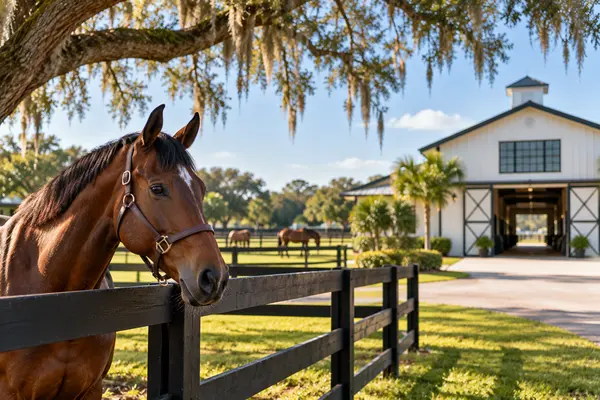
Moving to Ocala With Horses? What to Know Before Choosing Where to Live
If you’re thinking about moving to Ocala with horses, it’s easy to start your search with one question: How close can I live to the World Equestrian Center? That’s worth considering. But I don’t think it should be the first question that determines where you buy. Ocala and Marion County offer everyt
Why Are So Many Florida Buyers Looking at Oviedo?
There are plenty of Florida communities getting attention from relocating buyers, but one Central Florida ZIP code recently stood out enough to rank first in the state. Oviedo’s 32766 ZIP code ranked #1 in Florida in Realtor.com’s 2026 analysis of the hottest ZIP codes in each state. Listings there